A majority of those present and voting
Article 122 generally bases decisions on members present and voting, except where the Constitution provides otherwise.
National Assembly voting reform
Wingi Kamili is an endeavour to change how Kenya’s National Assembly votes on matters before it: from a simple majority of members present and voting to an absolute majority of the entire voting membership.
The proposal
The initiative proposes a higher threshold for ordinary decisions of the National Assembly.
Article 122 generally bases decisions on members present and voting, except where the Constitution provides otherwise.
Require an absolute majority of the entire voting membership, rather than only a majority of those attending and voting.
The House in context
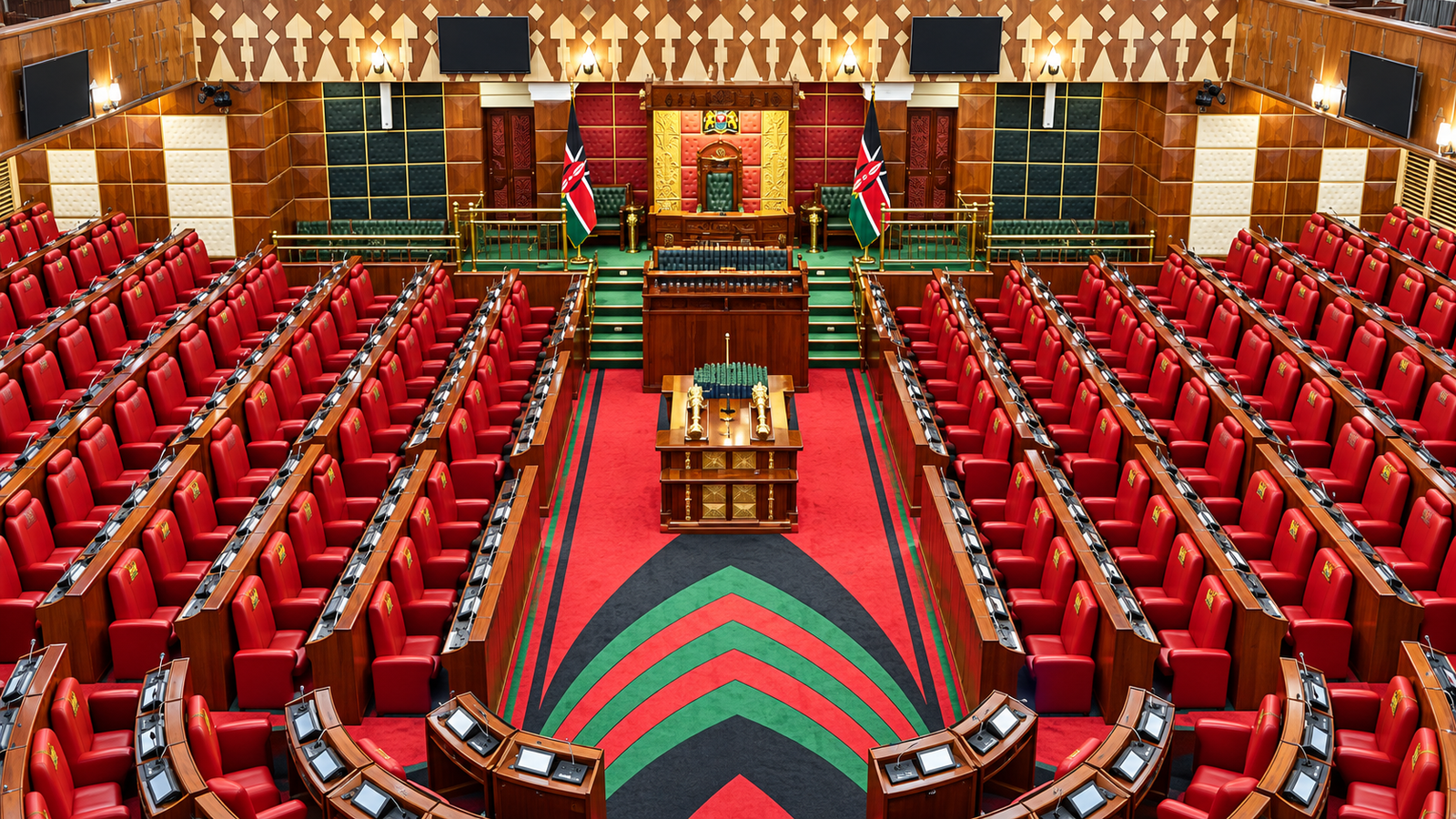
Elected constituency members
County woman representatives
Nominated members representing special interests, including youth, workers and persons with disabilities
Article 97 also includes the Speaker as an ex officio member; Article 122 excludes the Speaker from voting and voting membership calculations.
Article 121 sets the National Assembly quorum at 50 members—about 14% of 349. Quorum is the attendance requirement; it is not the number of affirmative votes needed to pass a motion.
Wingi Kamili’s concern is that decisions affecting the country can receive support from only a small part of the House.
Article 89(12) defines population quota using population divided by constituencies or wards. It does not fix a population of 165,000 for every MP.
The initiative’s underlying concern is representation: a small number of MPs should not, in its view, be sufficient to determine decisions with nationwide consequences. An MP’s vote cannot be treated as a direct count of constituents who support a bill.
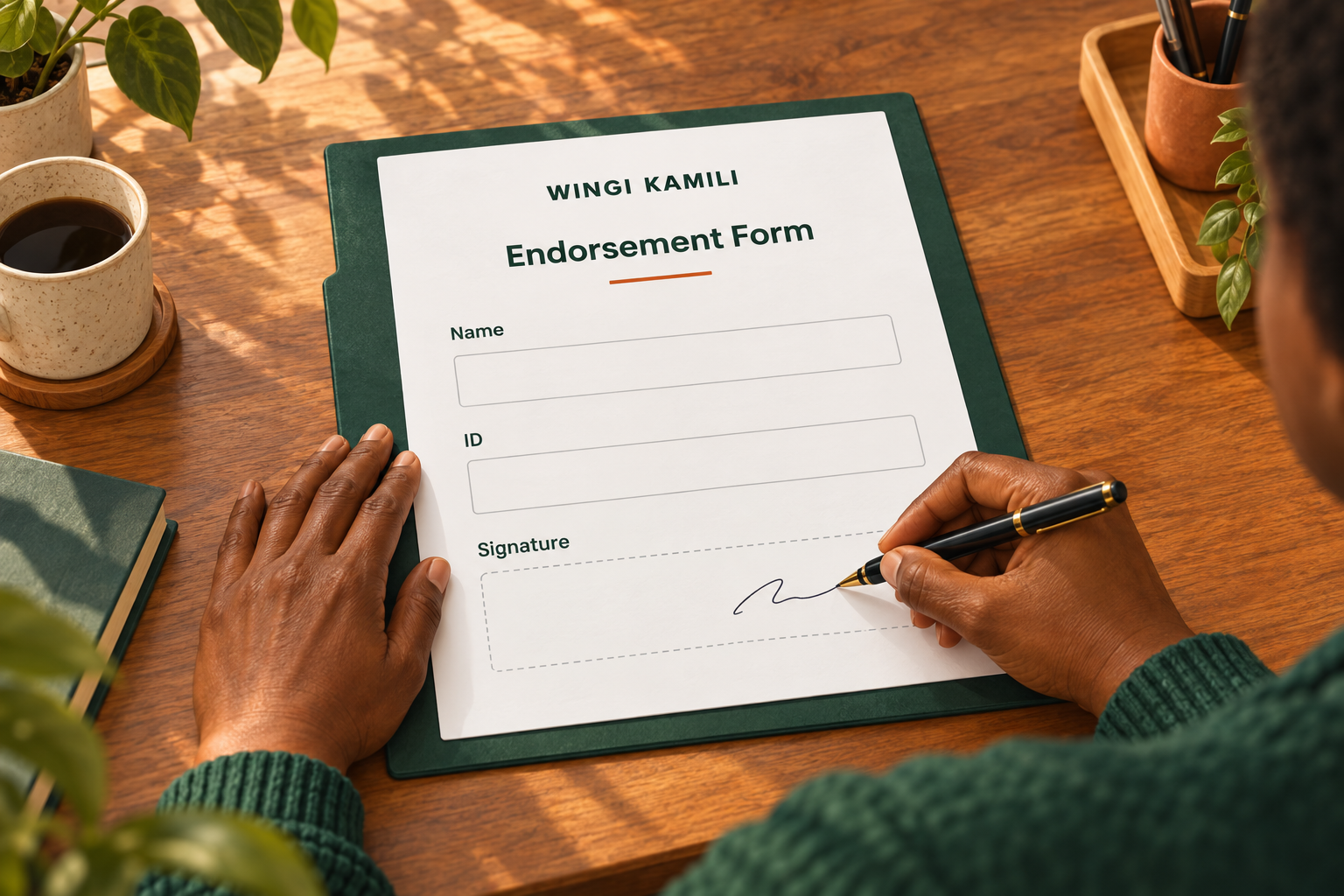
Endorsement
Registered voters can record their endorsement using their name, ID number and signature.
Read the proposal above before submitting your details.
The initiative’s aims

Wingi Kamili calls for renewed confidence in the National Assembly. Its concerns include absenteeism, allegations of bribery and the House’s independence from the executive.
For the initiative, the 2024 Gen Z protests and storming of Parliament underline the need to examine the relationship between the House and the people it represents.
The initiative seeks to strengthen the legitimacy of bills through the support of an absolute majority.
It aims to curb absenteeism from the floor of the House by raising the support needed for decisions.
It aims to discourage bribery and help restore public confidence in the National Assembly.
These are the initiative’s intended outcomes, rather than guaranteed effects of a higher voting threshold.
How we intend to do it
Registered-voter signatures: the constitutional minimum for a popular initiative.
Article 257 provides for a popular initiative backed by at least one million registered voters. Verification, county-assembly consideration, parliamentary stages and, where required, a referendum follow.
Wingi Kamili intends to pursue this route by collecting support from registered voters across Kenya.
Submitting this website form records an endorsement. It does not itself verify voter registration or establish that an endorsement meets the requirements for formal submission.
Constitutional references: Articles 89(12), 97, 121, 122 and 257. Read the Constitution of Kenya (PDF).
We have created wingikamili.com to collect endorsements for the Wingi Kamili initiative. The proposal seeks to change the National Assembly’s ordinary voting threshold to an absolute majority of its entire voting membership, with the aim of strengthening representation, attendance and public confidence.
Endorse the initiativeContact
Have a question about the Wingi Kamili proposal or want to contribute to the initiative? Contact us by phone or email.